The Transformative Power of Music Education for All Learners

Music is not just a pastime or hobby—it is a universal language that reaches every individual, regardless of neurodiversity. Nadia Castagna, MMEd, and experienced music educator, emphasizes that music provides a safe space for self-expression while offering cognitive and social-emotional benefits. Brain imaging studies such as fMRI and PET scans, reveal that engaging in music, particularly playing an instrument, activates nearly the entire brain, including reward centers, the hippocampus, the amygdala, motor areas, and language regions. Music requires the integration of multiple brain functions to process pitch, rhythm, and anticipate musical patterns, making it a deeply enriching experience for everyone, including individuals with autism spectrum disorder (ASD).

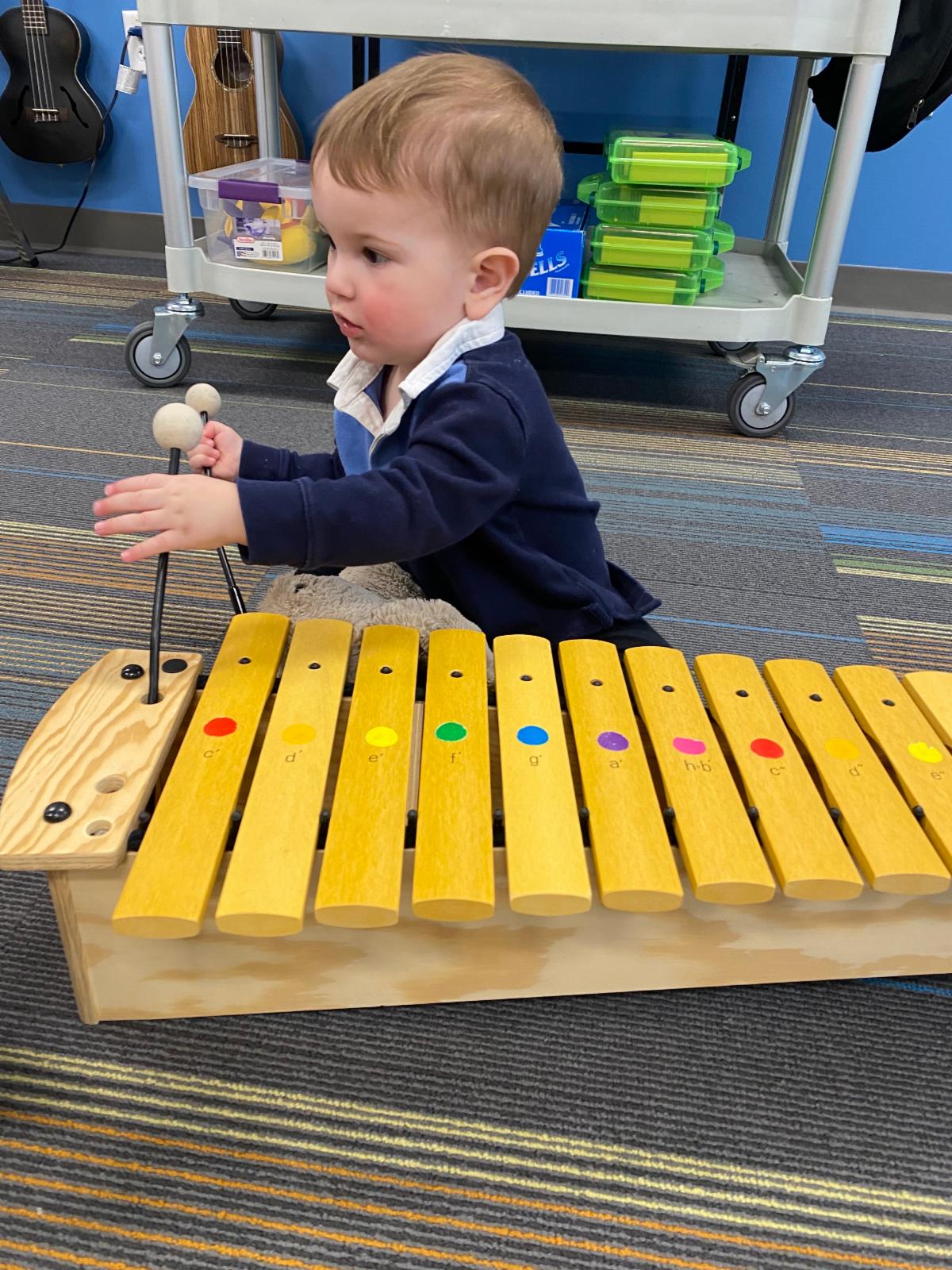
To make music education accessible for all learners, Castagna adapts lessons with strategies like color coding, visual aids, simplified instructions, and graduated guidance. In her adaptive piano classes, for example, she pairs colored notation with piano keys to help students distinguish notes. Over time, these supports are gradually faded, allowing students to read traditional notation if they are able—or to continue using colors if that best supports their learning. Tiered questioning and options for speaking or non-speaking responses ensure that all students can participate meaningfully, fostering independence while honoring individual differences.

The impact of these inclusive practices is profound. Castagna recalls a non-speaking student who spontaneously joined the school chorus, smiling and engaged. Working with the student’s speech-language pathologist, they adapted an AAC device to allow the student to sing with pitch, tone, and timing matched to the music. The result was a meaningful, joyful, and independent musical experience that allowed the student to fully participate in the chorus, connect with peers, and experience the power of community through music.

ACE® Music Lessons

  • #682 Play Piano or Keyboard

  • #5244 Indicate and Name Musical Instruments by Sound

  • #5237 Indicate Musical Instruments by Sound and Name


  • #2578 Music Activities
  • Tap to a Beat
  • Shake maraca
  • Strum Ukulele
  • Play Tambourine etc.


And Many More

Music, Castagna reminds us, is a human right, not a privilege. By creating accessible, engaging, and adaptable music education, educators can unlock the transformative potential of music for every learner.

Facebook  Instagram  LinkedIn

2026-03-16T11:33:40-04:00